€1 Million EU project IRON NOTES comes to Oslo next
The metal and jewellery subject area at KHiO has, in collaboration with five other European institutions, received 1 million Euro from Creative Europe Culture for the project IRON NOTES – At the Borders of Iron. The project aims to open up new ways of seeing and understanding metal for wider audiences, strengthen awareness of blacksmithing tradition and build stronger connections between countries.

Heading to Oslo in April
IRON NOTES is a collaboration between institutions in Estonia, Finland,
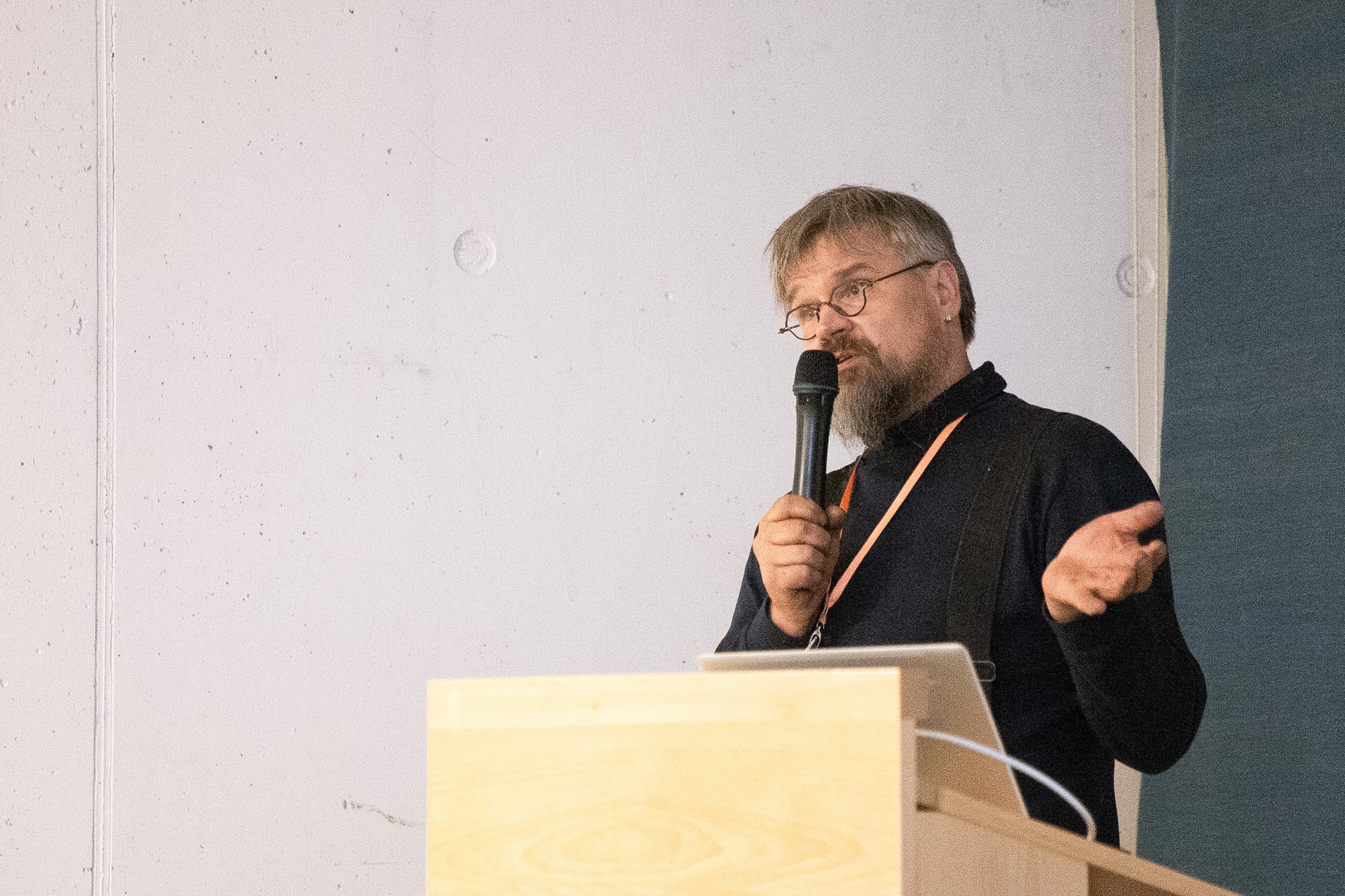
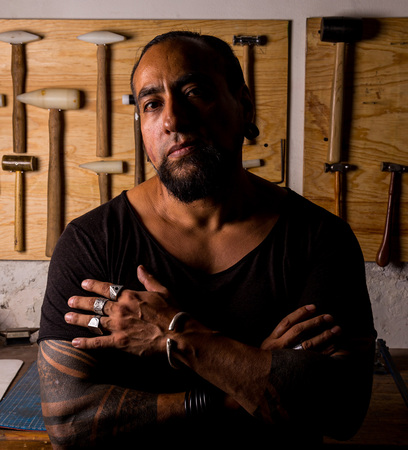
Italy, Norway and Sweden. April 14th to 16th, Oslo National Academy of the Arts will open our doors for the public to join three days dedicated to metalwork in its many forms. This event will have a particular focus on metal as objects and is open to anyone who register. The programme is led and facilitated by Jorge Manilla Navarrete, Professor and Subject Area Coordinator for Metal and Jewellery, Head of Programme Bachelor of Medium- and Material-Based Art. We asked him what to expect for the upcoming event.
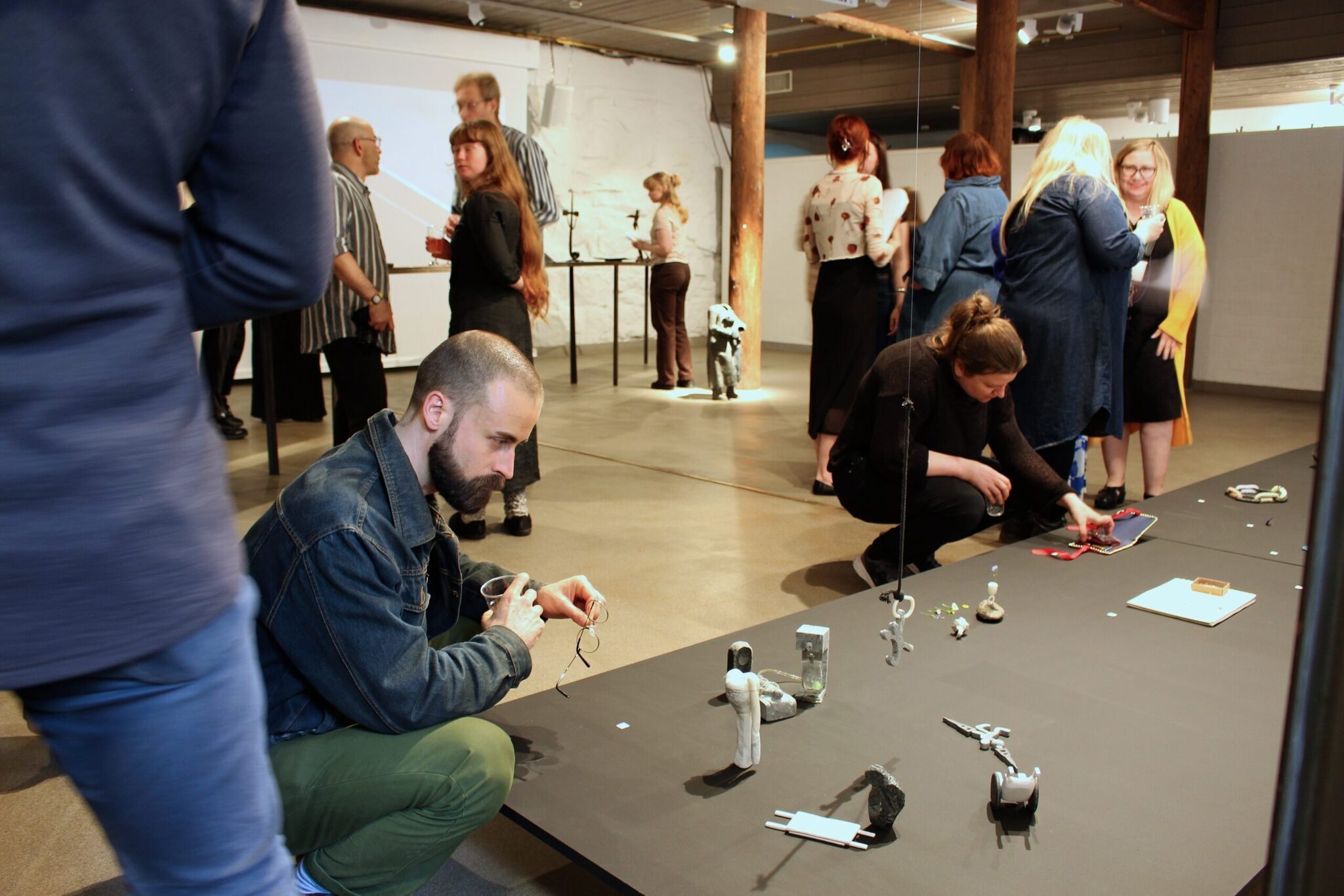
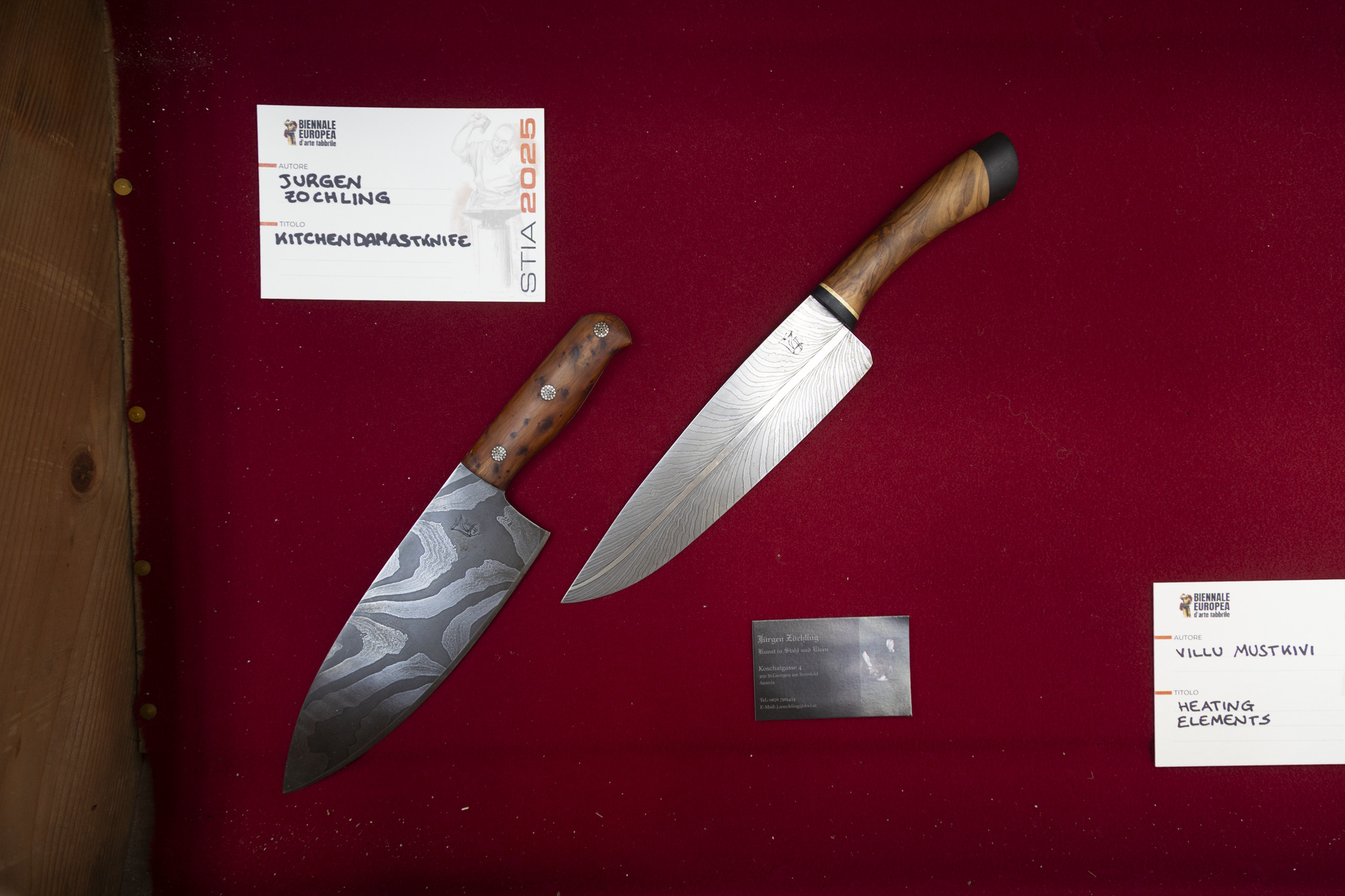
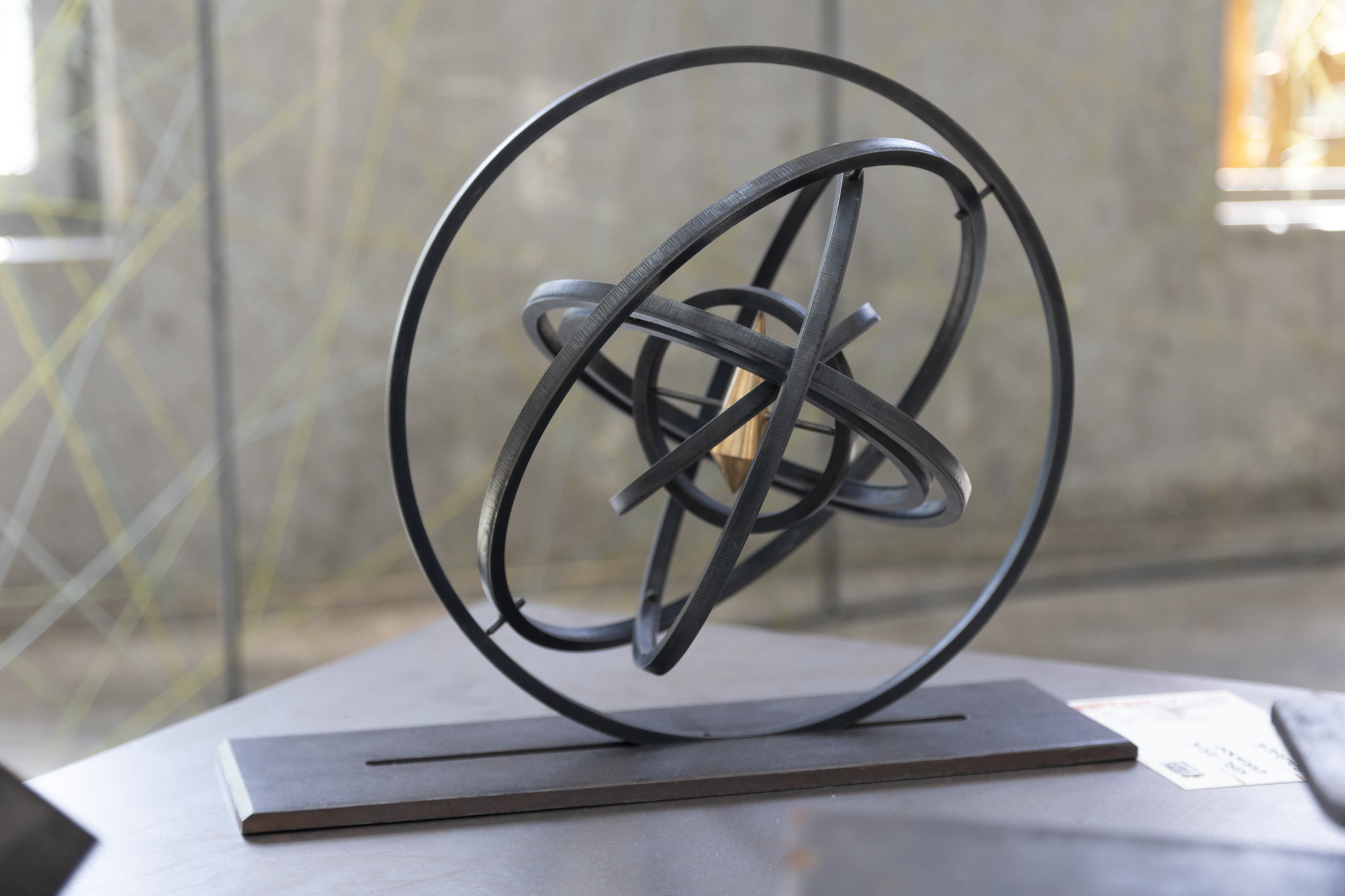
– The event will include a symposium, exhibitions, guided tours, workshops and performances. We will critically examine conventional definitions of ‘metal objects’, encouraging reflection on format, scale, utility, and the physical and philosophical dimensions of material in contemporary art. We will do this through questions such as what is an object today? And how do we define and categorize it?
Developing an "artistic research laboratory
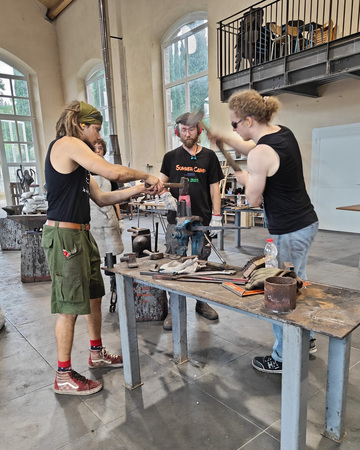
One significant outcome of IRON NOTES this far has been what Jorge describes as an “artistic research laboratory” model, where the workshop operates as a site of knowledge production.
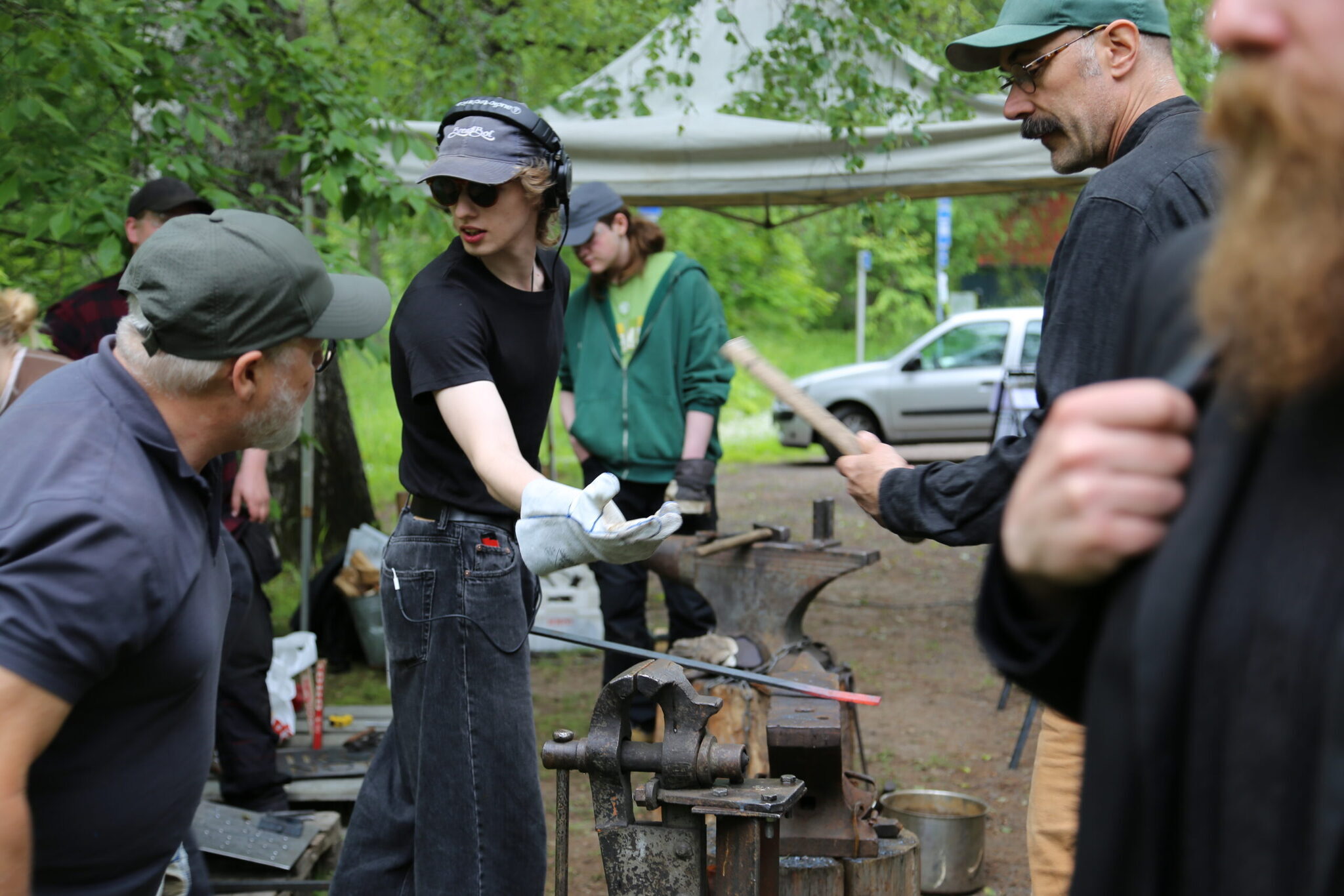
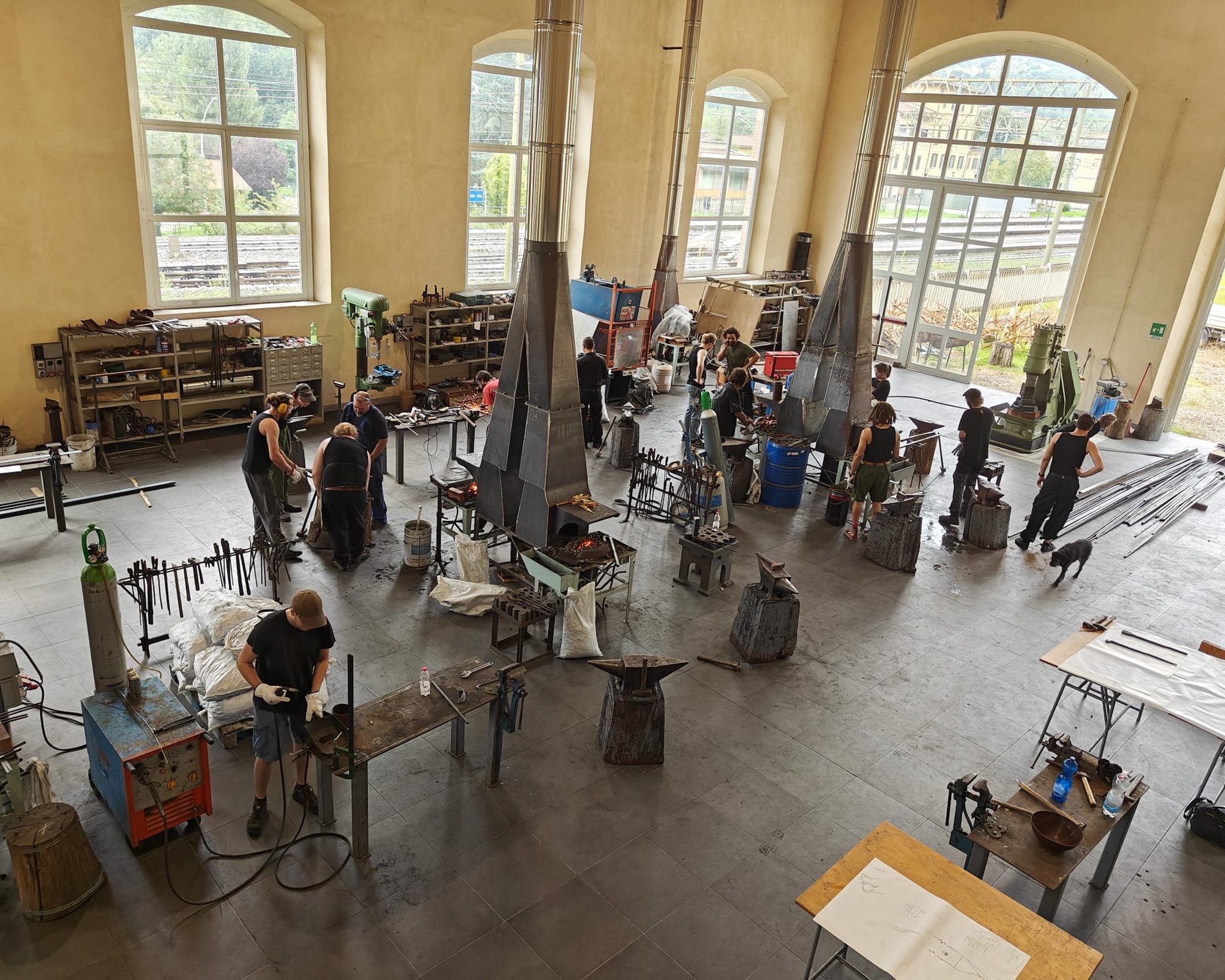
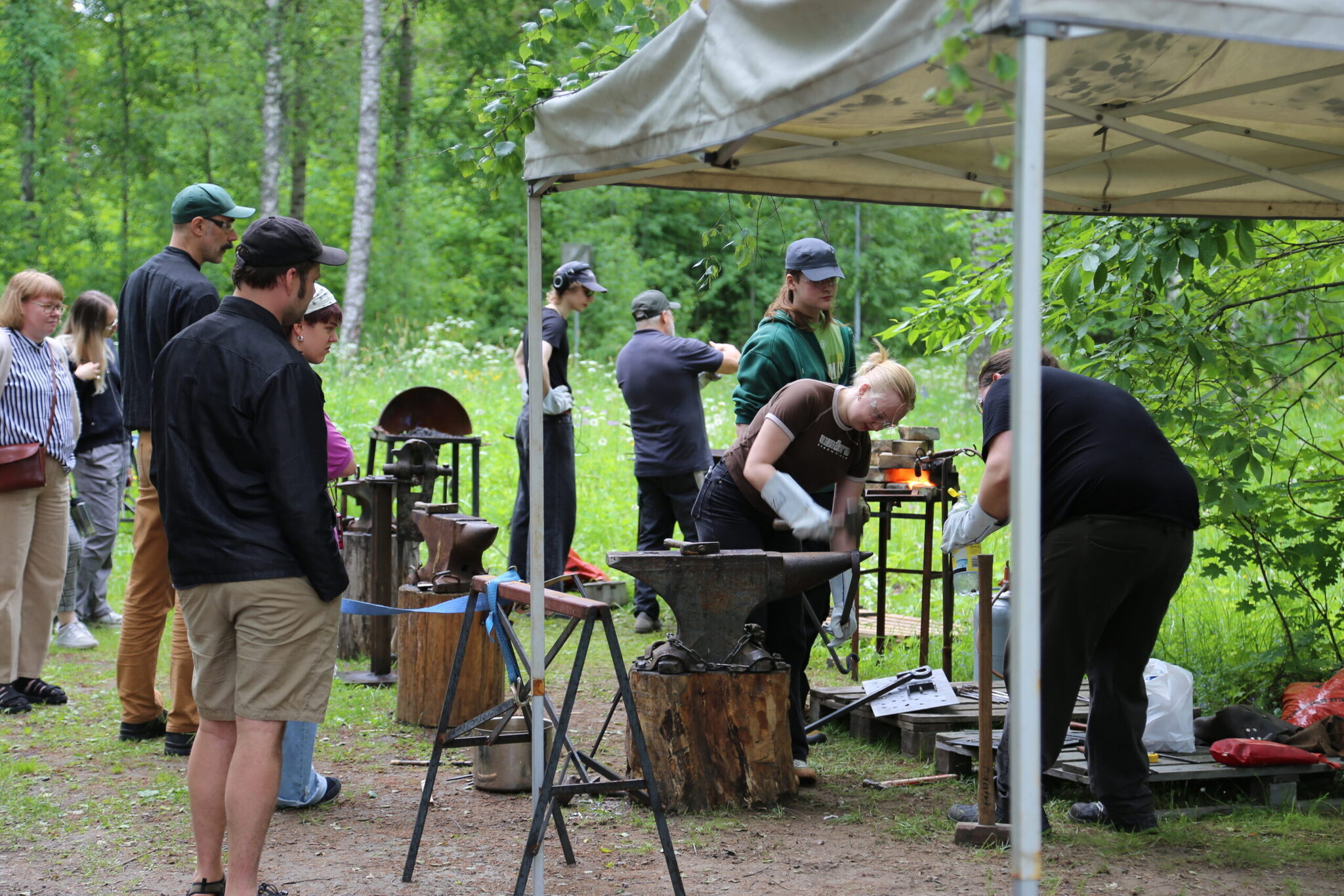
– Live forging demonstrations are combined with academic seminars, interdisciplinary dialogue between historians and makers, and site-specific interventions in former industrial environments. This approach positions practice itself as research, Jorge explains, adding on how sustainability and technology also informs the methodology:
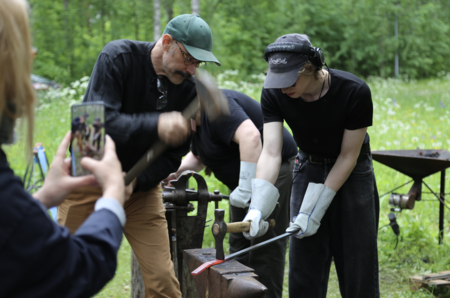
- Ecological thinking shapes material sourcing, production strategies, and the integration of digital technologies. By combining robotics and blacksmithing, we are not replacing tradition; rather, we are expanding and recontextualizing it. This productive tension between tradition and innovation has generated methodologies that are simultaneously technical, conceptual, and reflective.
Iron as more than a medium
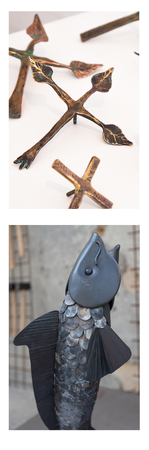
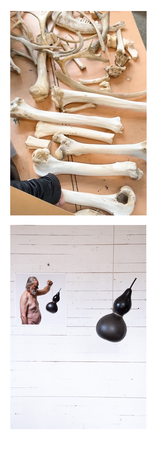
Within the project, iron becomes a medium for addressing memory and mourning. In Estonia, for instance, there is a particular focus on the future of Soviet-era monuments and the ethical responsibilities of sculptors working within post-war and post-colonial contexts. In Sweden, research into contemporary grave markers explored how design and material choices respond to evolving rituals of remembrance.
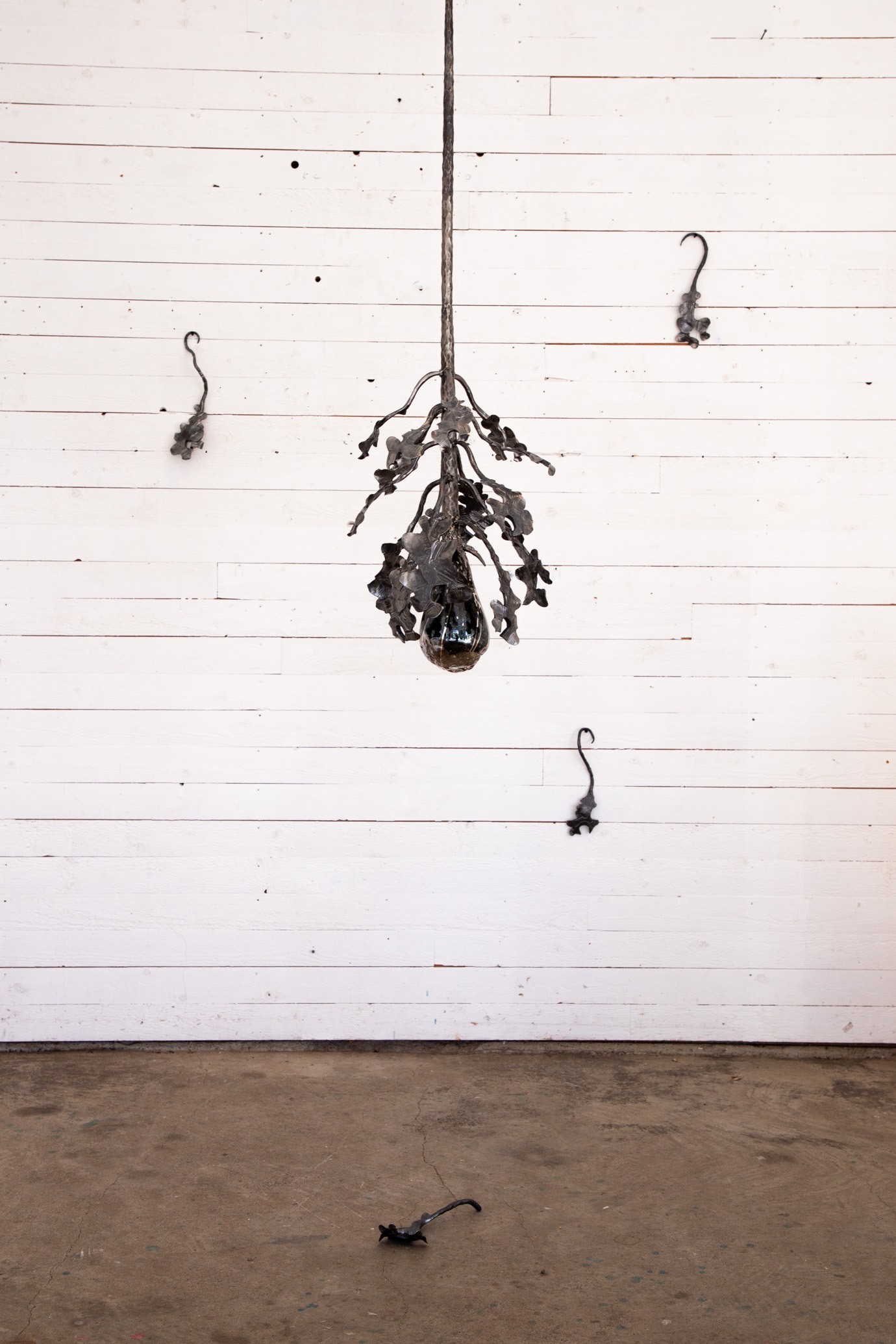
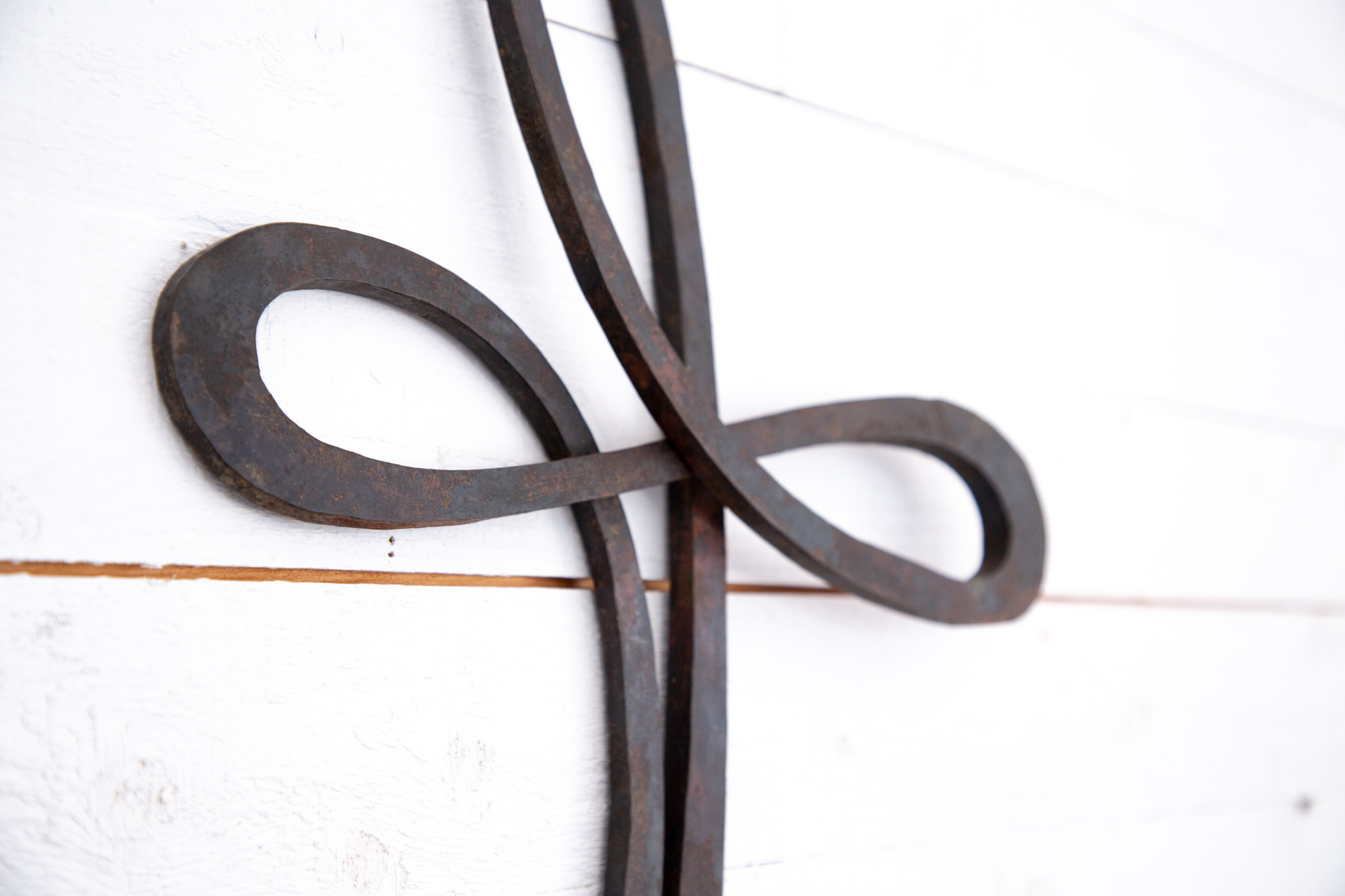
Jorge expands on the artistic possibilities of metal through the project, as being a medium with strong historical associations: – Iron is inherently paradoxical. It is both structural and fragile, industrial and poetic. It evokes tools, weapons, borders, infrastructure, and labour, yet it also responds sensitively to time through oxidation, erosion, and transformation. Simultaneously, the project investigates education and the integration of new technologies in art, public space design, and architecture. By incorporating 3D printing and robotics into traditional forging processes, we examine how blacksmithing can remain relevant within a digital and carbon-conscious society. Iron thus becomes more than a medium; it becomes a lens through which we explore resilience, sustainability, identity, and social transformation.
Cross-border collaboration is inherent to metalwork
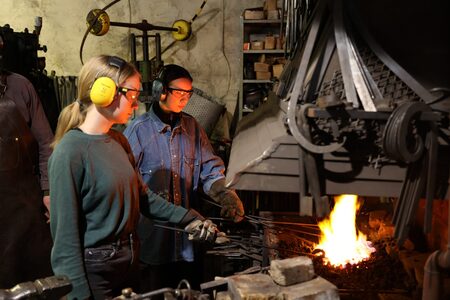
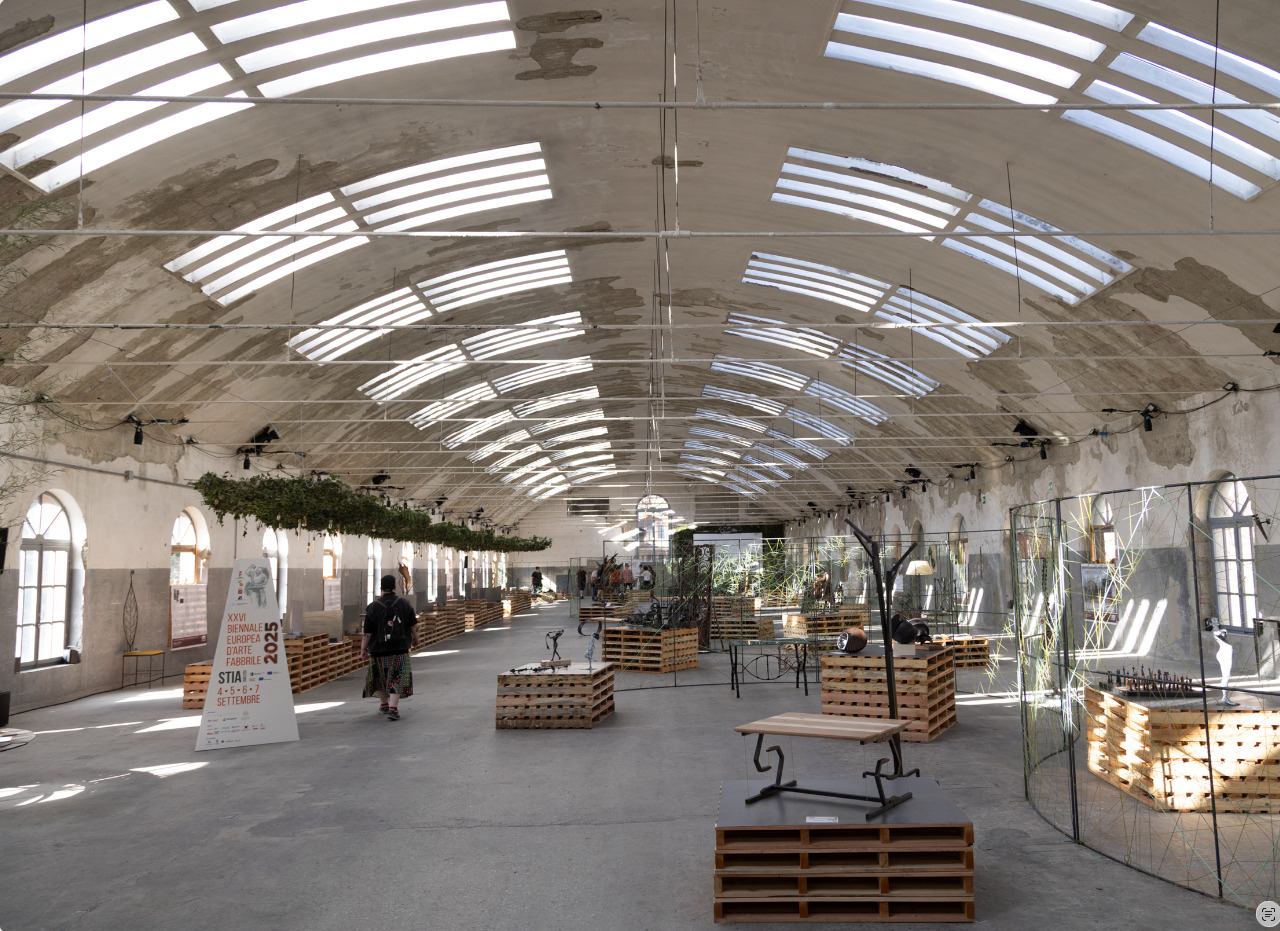
The IRON NOTES project started January 1, 2025, and will last until July 31, 2027. The consortium includes LAB University of Applied Sciences (Coordinator, Finland), ME-talli Oy (Finland), University of Gothenburg (Sweden), Estonian Academy of Arts (Estonia), Oslo National Academy of the Arts (Norway), Associazione Biennale d’Arte Fabbrile (Italy). Three IRON NOTES events have already been held — in Finland, Italy, and Sweden. These gatherings have explored diverse thematic perspectives on iron: Blacksmithing and Education, Blacksmithing and Tourism, and Blacksmithing in Sepulchral Space.
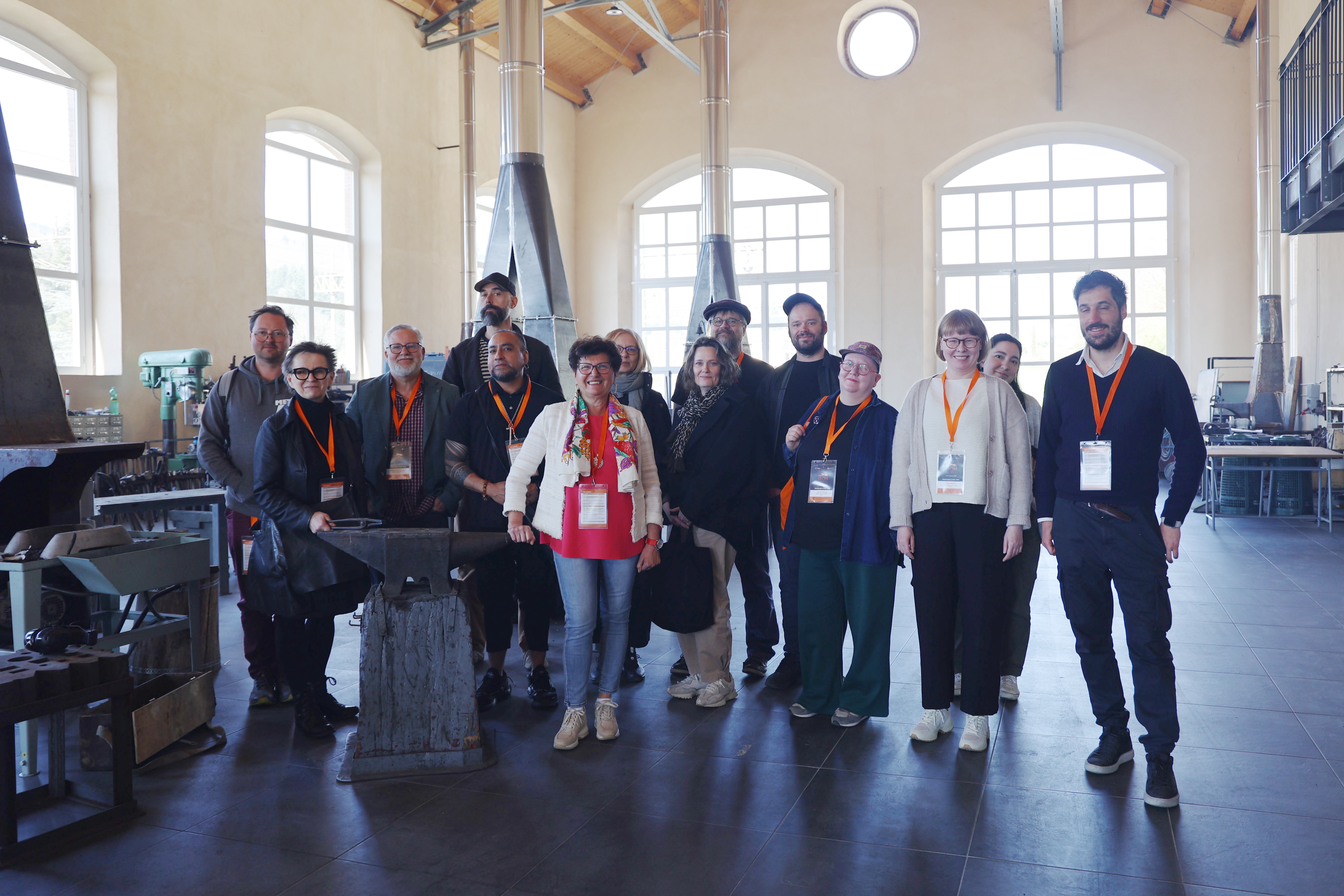
Oslo will serve as a key meeting point within the network. Jorge argues that international collaboration is not only geographical but also epistemological, as it reveals how metal is interpreted differently across cultural and historical contexts, enriching the field through plurality.
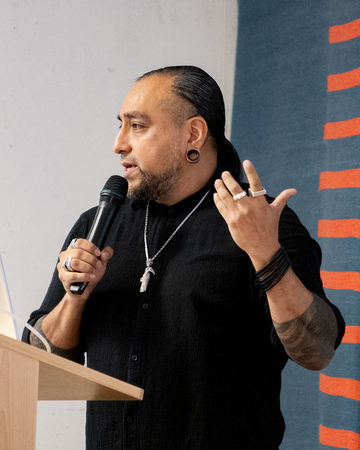 – Material practice is never neutral; it is embedded in history, politics, identity, and memory. Art education must therefore actively engage with society, and cross national and cultural borders. By addressing themes such as public monuments, regional identity, and collective remembrance, the project situates metal art within broader societal discourse. As a migrant artist and educator, I consider these exchanges essential for cultivating empathy, ethical awareness, and critical reflection in contemporary art education.
Shaping the future for material-based art education in Europe
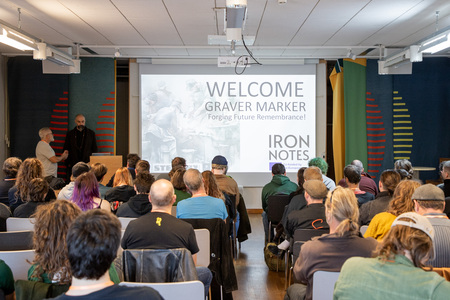
When asked what he hopes the lasting impact of the IRON NOTES project will be, Jorge sums it up in three key points: I hope the legacy of IRON NOTES will contribute to revitalising blacksmithing as a living form of cultural heritage. I also hope we succeed in meaningfully integrating traditional craft with technological innovation. Lastly, I aspire for the project to strengthen the position of metal art as a critical tool for engaging with societal memory and sustainability.
Jorge emphasizes that for him and colleagues, it is important that this project help establish a durable European network for artistic research in metal.
– If iron teaches us anything, it is that transformation requires time, heat, and pressure. Through this collaboration between Finland, Sweden, Estonia, Norway, and Italy, we are shaping not only objects, but a future-oriented framework for material-based art education in Europe.