Seminar/konferanse

Agenda: Ilska/Sinne/Anger
In this Agenda seminar we will take part in perspectives and reflections on anger in both art and textile research.
Anger can be described as an emotional reaction that occurs when we experience a threat, violation, injustice or that someone is preventing us from achieving our goals. It is a powerful feeling that can mobilize energy to defend ourselves, set boundaries or create change. The body often reacts physically with a faster heartbeat and tense muscles, and anger can help us understand and communicate our needs, even though it can sometimes lead to destructive behaviors.
But perhaps anger can best be described as something in motion, a direction. Crafts, perhaps especially textile crafts, are often described with clichés about its innocent softness, its meditative potential and its harmless materiality. But aren't frustrated hands and bodies tearing at materials and tools just as true?
In this Agenda seminar we will take part in perspectives and reflections on anger in both art and textile research. We will hear about knowledge that looks for anger, knowledge that angrily cuts paper, the anger of our time, the disguised anger and perhaps get an answer to the question what does anger make us do?
Program
09.15-09.45 Coffee mingle @receptionen/Auditoriet
(10.00-11.00 Tim Ingold (Scene 4) this is not part of our program)
11.00-12.00 Kristina Müntzing
12.00-13.00 Lunch
13.00-14.00 Jessica Hemmings
14.15-15.15 Freddie Robins
15.15-16.00 Panel, Q&A with all participants
Jessica Hemmings writes about textiles. She is Professor of Craft (HDK-Valand, University of Gothenburg), Professor II (Oslo School of Architecture and Design), Visiting Professor (Moholy-Nagy University of Art & Design, Budapest) and was the Rita Bolland Fellow at the Research Centre for Material Culture, the Netherlands (2020-2023). Her current research, “Carceral Craft: the material of oppression or expression?”, is funded by the Swedish Research Council (2025-2027).
The title for the lecture is: Anger in the Archive: carceral craft in women’s prisons
Abstract: Textiles are made by incarcerated individuals for a number of reasons. Some are the result of forced labour, others represent a hobby or pastime, and a third group are produced covertly to carry communication within or beyond the prison or workhouse walls. This lecture looks for traces of anger in these historical materials. Is it ever really possible to sense the embodied lives of these textiles’ makers? Why are textiles a recurring material of choice for redemptive labour?
![Image credit: Stockings with Spanish text “Regalo de un triste preso” [Gift of a sad prisoner]. Smithsonian Record ID: edanmdm:chndm_1945-54-20-a_b](/system/images/W1siZiIsIjIwMjYvMDEvMDUvOHV3b2pmM2d6d19QaWN0dXJlXzEuanBnIl1d/Picture%201.jpg "Image credit: Stockings with Spanish text “Regalo de un triste preso” [Gift of a sad prisoner]. Smithsonian Record ID: edanmdm:chndm_1945-54-20-a_b")
Image credit: Stockings with Spanish text “Regalo de un triste preso” [Gift of a sad prisoner]. Smithsonian Record ID: edanmdm:chndm_1945-54-20-a_b
Freddie Robins is an artist, maker, knitter and collector. She is Interim Head of Programme and Professor of Textiles at the Royal College of Art, London. In 2025 she was the Stephen E. Ostrow Distinguished Visitor in the Visual Arts, Douglas F. Cooley Memorial Art Gallery, Reed College, Portland, Oregon, USA, with her solo exhibition ‘Apotropaic’. Her work is held in public collections including Victoria and Albert Museum, London and Kode, Bergen.
The title for the lecture is: Apologies, but I loathe this stuff with a passion.
Abstract: I am angry. Aren’t you? If not, why not? This lecture presents my anger and the anger of others. As Johnny Rotten famously sang in the Public Image Ltd song, Rise (1986) “anger is an energy”. How do I utilize this supposedly negative emotion as both motivation and content within my practice? How do I respond to the anger of strangers towards my practice and how have other similar artists responded to the same provocation? I predominantly work with knitting. This activity is often viewed, and marketed, as a mindful activity. Something to slow us down, re-engaging with the material world and our sensory needs. How can these two diametrically opposing uses and views of knitting co-exist?
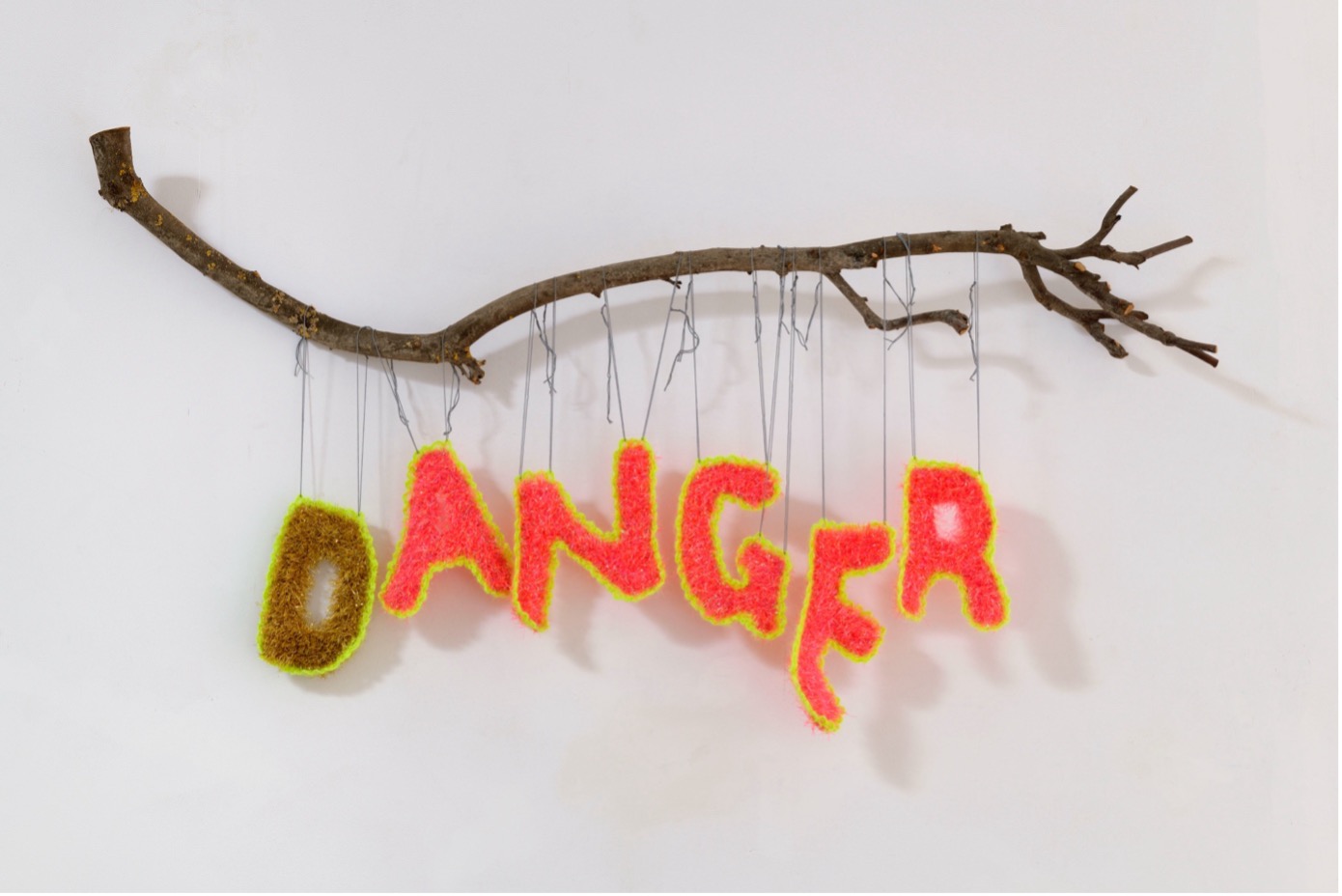
Image credit: Freddie Robins
Kristina Müntzing is an artist living and working in Malmö. Müntzing is educated at Goldsmiths College, University of London and Valand Academy of Fine Arts. She has participated in exhibitions nationally and internationally, including at Kiasma in Helsinki and Kunst Werke in Berlin, and is now working on an exhibition for Halmstad Konsthall in January 2026.
The title for the lecture is: The Working Body - anger, limits, surfaces, and the cut
This lecture examines the working body as both creator and destroyer, and how anger emerges within artistic and industrial forms of labor. Drawing on the histories of women in textile production, I explore how bodily effort becomes a site of both autonomy and exploitation. The artistic process mirrors these tensions as material resistance, scale, and frustration shape the work in the studio. By cutting, scraping, and puncturing photographic surfaces, the image is treated as a corporeal structure that can be opened or disrupted. These gestures invite reflection on what lies beneath visibility, and how limits—material, bodily, and archival—inform both artistic practice and lived experience.
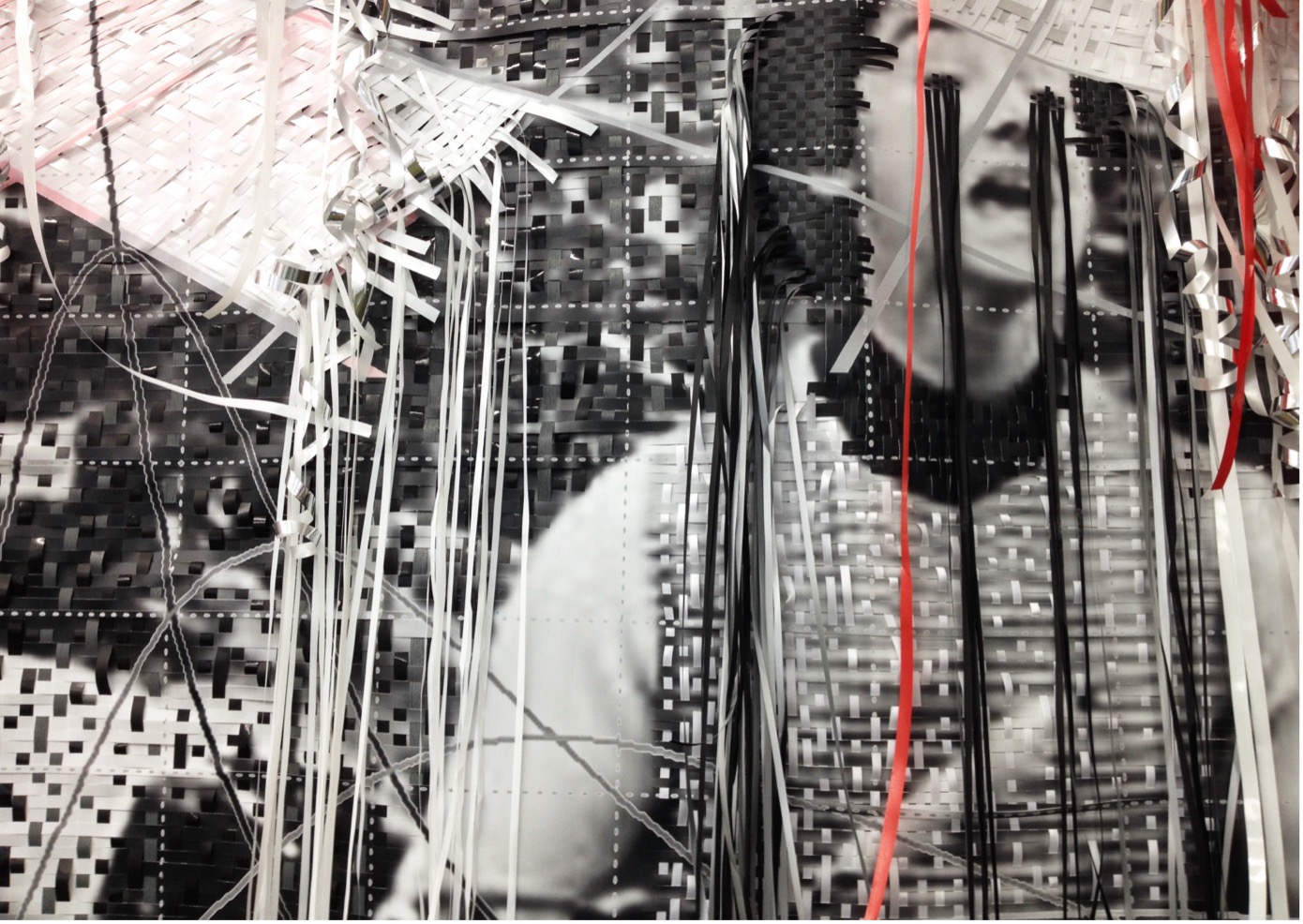
Image credit: Kristina Müntzing